
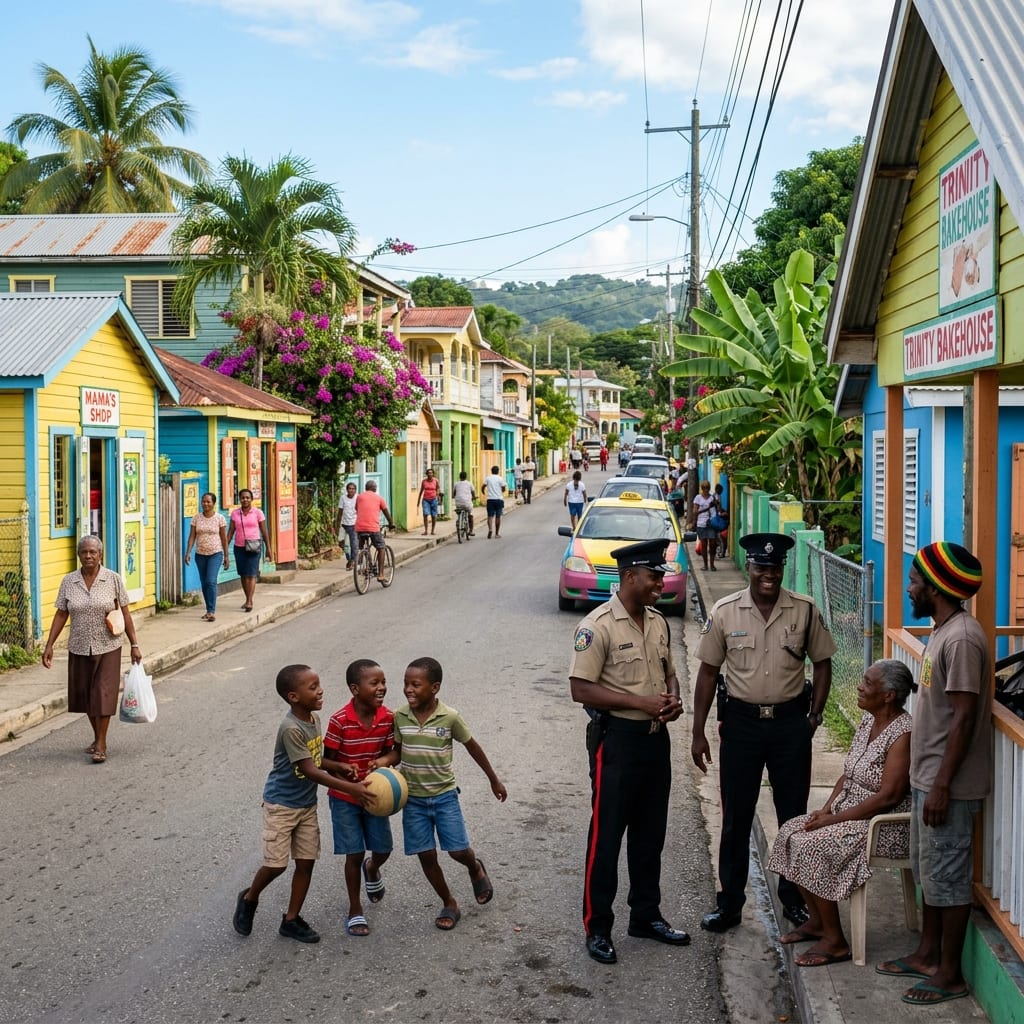
In a significant and welcome change for the nation, Jamaica has seen a notable 20% decline in murders for the year 2026. This marks one of the largest drops in recent history. According to the latest data from the Jamaica Constabulary Force (JCF), there were 333 murders from January 1 to August 8. This is a clear contrast to the 415 recorded during the same period in 2025. This downward trend is not just a statistical fluke; it reflects ongoing efforts, changes in policing, and a broader cultural movement toward building community and resolving conflicts.
The Numbers Behind the Decline
Saving 82 lives in just over seven months is a major achievement for a country that has faced high crime rates. The JCF's data shows that the decline is not limited to one parish or demographic but spans various traditional hotspots. St. Andrew South, St. James, and Clarendon, areas historically marked by gang-related violence, have experienced some of the most dramatic cuts in homicides. This widespread drop suggests that the strategies employed by security forces and community leaders are paying off.
Additionally, other serious crimes, such as shootings, robberies, and rapes, have also decreased. This overall drop points to a general decline in criminal activity and a disruption of the networks that allow violence to thrive. The statistics offer a glimmer of hope that long-standing cycles of violence can be broken.
Strategic Policing and Technology
A key factor in this positive change is the modernization of the Jamaica Constabulary Force. Under current leadership, the JCF has moved toward intelligence-led policing. Using data analysis, expanded CCTV networks (JamaicaEye), and better forensic capabilities has significantly improved the clearance rate for serious crimes. Criminals are finding it harder to operate freely when their movements are tracked and assessed in real time.
Moreover, the targeted deployment of specialized units like the Counter-Terrorism and Organized Crime Investigation Branch (C-TOC) and the Anti-Gang Task Force has been crucial in breaking down major criminal organizations. These units have not only focused on the foot soldiers but also on the leaders and financial backers of gang violence. By targeting the heads of these organizations, the JCF has markedly reduced their strength.
Community Engagement and Social Intervention
While strong law enforcement is vital, it is widely recognized that policing alone cannot solve Jamaica's crime problem. The 20% decline also comes from increased social intervention programs and community policing efforts. Programs aimed at engaging at-risk youth, offering vocational training, and providing conflict resolution support have gained strong backing.
Organizations like the Peace Management Initiative (PMI) and various NGOs have worked tirelessly in troubled communities. Their efforts to broker peace agreements between rival groups and offer alternative paths for young men have been key in lowering tensions. Additionally, the JCF's Community Safety and Security Branch (CSSB) has focused on rebuilding trust between citizens and the police, which has led to better cooperation and crucial intelligence sharing.
The Role of Legislation and the Justice System
Changes in legislation have also aided the decline in crime. Stricter penalties for illegal gun possession and gang-related activities have served as a stronger deterrent. The new Firearms (Prohibition, Restriction and Regulation) Act, which imposes mandatory minimum sentences for specific offenses, sends a clear message that the state will not tolerate gun violence.
At the same time, efforts to streamline the justice system and reduce the backlog of cases are beginning to produce positive results. A more efficient judicial process ensures that offenders face trial quickly, reinforcing the notion of accountability for criminal actions and offering closure for victims' families.
Economic Factors and National Development
It is impossible to separate crime from socio-economic realities. Jamaica's recent economic stability, marked by low unemployment and steady, though modest, growth, has likely contributed to the reduction in violence. With more citizens gaining access to legitimate income opportunities, the appeal of crime naturally decreases.
The government's ongoing investments in infrastructure, education, and social safety nets lay a foundation for long-term stability. While economic gaps still exist, the overall improvements are creating a more resilient society less likely to fall into the desperation that often leads to crime.
Challenges Remaining and the Road Ahead
Despite these encouraging numbers, it is important to remember that Jamaica still faces challenges. A total of 333 murders in seven months is unacceptably high for a population of just under 3 million. The threats of gang violence, transnational organized crime, and the influx of illegal weapons remain serious concerns.
Maintaining this downward trend will require firm commitment and ongoing adjustments. Criminal organizations constantly evolve, seeking new ways to exploit weaknesses. The state must stay vigilant, continually upgrading its technology and refining its approaches. Additionally, the focus on social intervention must persist. Long-term peace can only be achieved by addressing the root causes of crime: poverty, inequality, and lack of opportunity.
A Cautious Optimism
The 20% drop in murders in 2026 brings a moment of cautious optimism. It shows that the issue of violence in Jamaica is not insurmountable. It highlights the hard work and sacrifices of law enforcement, the dedication of community workers, and the strength of the Jamaican people.
As the nation looks forward, the challenge is to turn this statistical improvement into lasting cultural change. It will take a collective effort, where every citizen acknowledges their role in building a safer Jamaica. The progress made in 2026 serves as a foundation for a more peaceful and prosperous future. It reminds us that although the journey is long and full of challenges, a safer Jamaica is indeed within reach.