
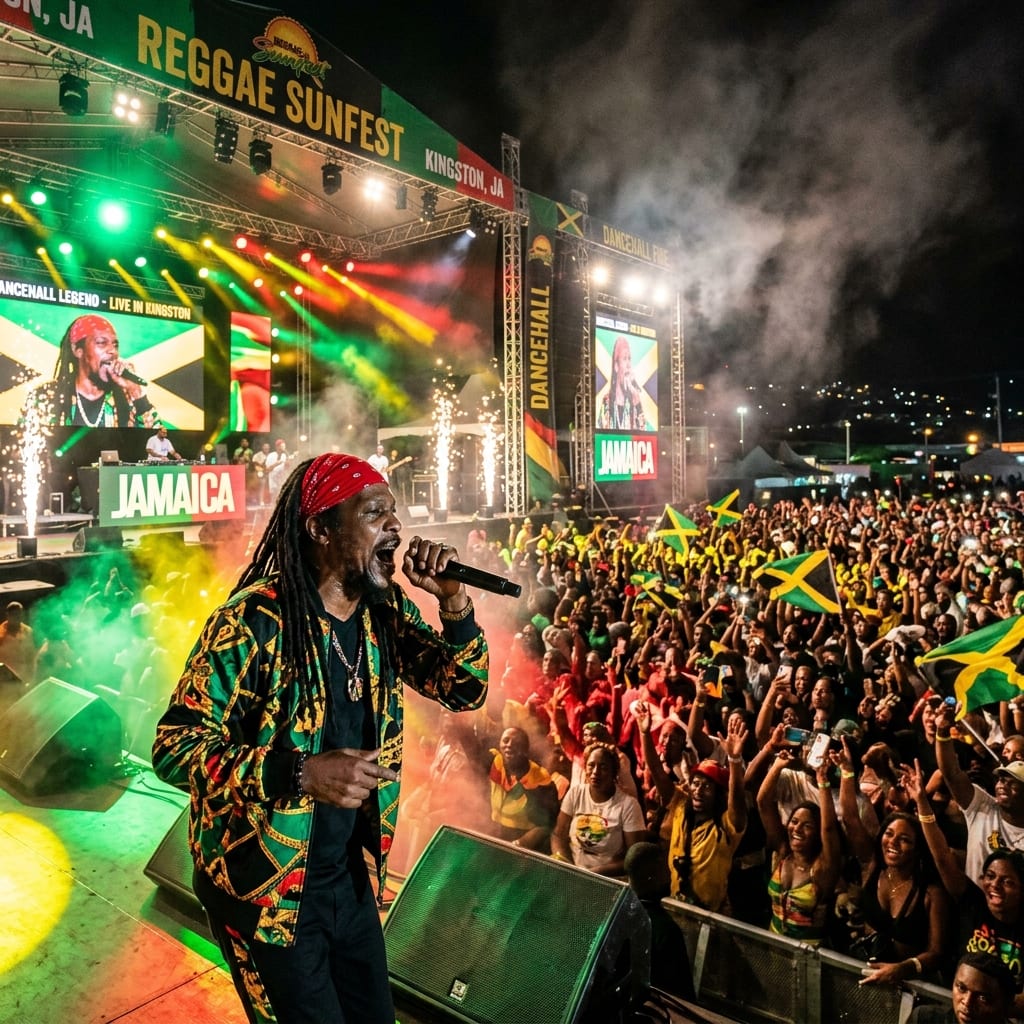
In the heart of Jamaica's music scene, one name stands out in Kingston and beyond: Vybz Kartel. Born Adidja Azim Palmer, the "Worl' Boss" has gone beyond traditional dancehall to become a cultural icon and a lasting symbol of artistic strength. Even though he has been away from the stage for a long time, his influence has grown. It has transformed into a powerful presence that continues to shape the rhythm, slang, and style of the genre.
The Genesis of a Dancehall Titan
To grasp Vybz Kartel's impact, we must look at his rapid rise in the early 2000s. As a protégé of Bounty Killer, he quickly stood out with his unmatched lyrical skill. He combined complex metaphors with raw street stories, changing dancehall lyricism. He didn’t just sing about the ghetto; he brought it to life with vivid imagery. Songs like "Picture This" and "Tek Buddy" displayed a controversial but brilliant writing style that captivated many.
Kartel's early career included a fierce rivalry with Mavado, marking the "Gaza vs. Gully" feud. This wasn't just a musical contest; it divided cultures across Jamaica and the diaspora. The rivalry pushed both artists to new creative heights, producing music that remains essential to modern dancehall. It showed Kartel's power to rally a devoted fan base, the Gaza Nation, whose loyalty resembles the fervor seen in global pop phenomena.
Redefining the Sound and Slang of Jamaica
Aside from his music, Vybz Kartel is a language innovator. He has introduced many phrases into Jamaican slang that have spread into global pop culture. Expressions like "Up to the time," "Gaza," "Teacha," and "Fierce" gained popularity through his songs and quickly caught on with youth worldwide. His influence on language reflects his deep connection with the streets—a bond that remains genuine despite his fame.
Musically, Kartel played a key role in changing the tempo and rhythm of dancehall. He embraced electronic sounds, auto-tune, and unique beats before they became common in the industry. His willingness to experiment opened doors for the current generation of dancehall artists, who merge Caribbean vibes with hip-hop, Afrobeat, and EDM. Artists like Popcaan, who learned from Kartel, and others like Skillibeng and Masicka, openly recognize his impact on their music and careers.
The Phenomenon of Incarceration and Unstoppable Output
Astonishingly, Vybz Kartel's productivity skyrocketed after his incarceration in 2011. While most artists would see a prison sentence as an end, it sparked a wave of creativity for him. Through means that have sparked much speculation, he continued to produce an incredible amount of music from behind bars. Hits like "Fever," "Any Weather," and "Mhm Hm" filled airwaves and clubs around the world.
This steady output meant his presence was everywhere in the dancehall scene. He remained a fixture on Billboard charts and international playlists, showing that his talent couldn't be confined. This part of his career cemented his status as a legendary figure—an artist whose influence went beyond his physical reality.
The Cultural Shift: Bleaching and Controversy
No discussion about Vybz Kartel is complete without mentioning the controversies surrounding his career. His choice to lighten his skin, known as bleaching, triggered intense debates nationally and internationally about colorism, self-image, and beauty standards in post-colonial Jamaica. Kartel tackled this issue head-on in songs like "Coloring Book," turning a serious social topic into a cultural conversation.
While many criticized him, others viewed it as a bold statement on identity and the complicated realities of race in Jamaica. Kartel's ability to stay at the forefront of cultural discussions, whether through his music, appearance, or legal troubles, showcases his powerful and divisive persona. He challenges society to face uncomfortable truths, reflecting the harsh realities of his upbringing.
The Anticipation of a Triumphant Return
Recent updates on his legal situation have sparked excitement in the music world. The chance of Vybz Kartel returning to the stage has created a buzz among fans and industry experts. A "Worl' Boss" concert in Kingston is seen not just as a musical event but as a significant cultural milestone.
Picture this: the National Stadium in Kingston filled to the brim, the atmosphere thick with excitement, and the iconic Jamaican flag colors lighting up the stage. The crowd's roar when Kartel appears would be thunderous, releasing over a decade of bottled-up energy. This event would likely become the largest dancehall concert ever, attracting fans from across the globe.
A successful return would also greatly impact the genre. It would inject fresh energy into the Jamaican music scene, possibly refocusing global attention back on Kingston. It would allow Kartel to connect with the new generation of artists he influenced from afar and could lead to collaborations that shape Caribbean music in the next decade.
The Global Footprint of the Worl' Boss
Kartel's influence extends well beyond Jamaica. International stars like Drake, Rihanna, and Major Lazer have drawn significantly from his sound and style. Songs like Drake's "Controlla" and Rihanna's "Work" owe much to the rhythmic patterns popularized by Kartel. He has collaborated with major global artists, proving that his unique take on dancehall resonates worldwide.
His music dominates clubs from London to Tokyo, New York to Nairobi. This global presence highlights the strength of his artistry. He captured the essence of Jamaican street culture and packaged it in a way that connects with people from various backgrounds. This achievement is rare and marks him as a true musical genius.
Conclusion: The Enduring Legacy
In summary, Vybz Kartel is more than just a dancehall artist; he is a living legend whose impact on music and culture is vast. With his unmatched lyrical talent and language innovations, along with his ability to stay relevant while incarcerated, Kartel has changed the music industry forever. As the world eagerly awaits his possible return to the stage, one thing is certain: the "Worl' Boss" will always be a key figure in dancehall history. His legacy is woven into the fabric of Jamaican culture, and his music will continue to inspire, challenge, and entertain for generations. The return of Vybz Kartel is more than just an anticipated concert; it marks the comeback of a cultural icon ready to reclaim his place in a kingdom he never truly left.