
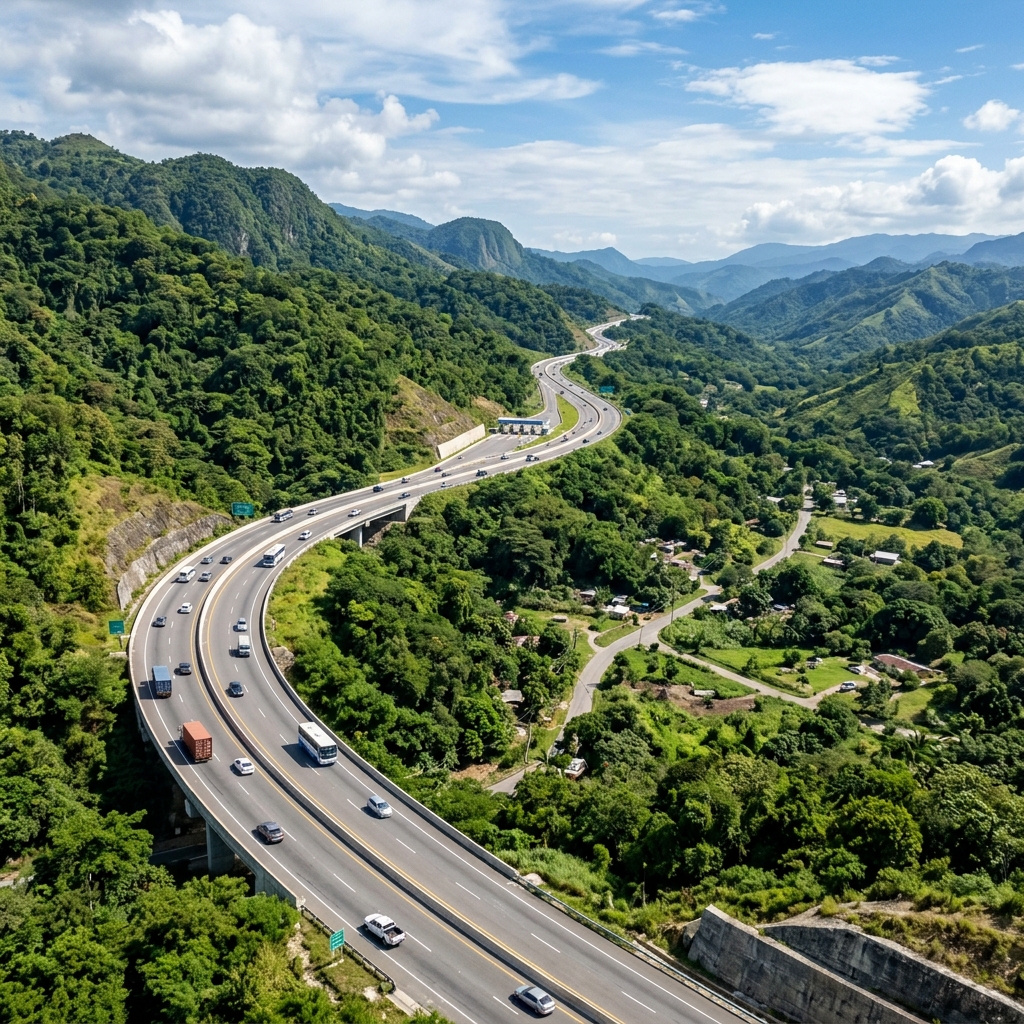
In one of the most ambitious infrastructure projects in the nation's history, the Jamaican government has officially launched the next phase of the National Highway Expansion Program. This multi-billion dollar initiative aims to construct a comprehensive network of modern, multi-lane highways that will seamlessly connect the island's remote rural parishes directly to major economic zones, international airports, and deep-water ports.
Unlocking the Economic Potential of the Interior
Historically, the rugged mountainous terrain of Jamaica's interior has posed significant challenges to transportation and logistics. Farmers in the agricultural heartlands of St. Elizabeth, Manchester, and Clarendon have long struggled with high transportation costs and significant post-harvest losses due to the extended time required to navigate winding, poorly maintained rural roads to reach urban markets in Kingston and Montego Bay.
The new highway network is designed to drastically reduce travel times, slashing the journey from the southern agricultural belt to the capital by more than half. This unprecedented connectivity is expected to revitalize the agricultural sector, allowing fresh produce to reach markets faster and significantly boosting the profitability of rural farming communities.
"This is not merely a road construction project; it is a lifeline for rural Jamaica. By reducing the physical distance between our farmers and the global marketplace, we are unlocking the untapped economic potential of our interior and ensuring that prosperity is distributed more evenly across the island," stated the Minister of Economic Growth and Job Creation during the groundbreaking ceremony.
Boosting Eco-Tourism and Decentralization
Beyond agriculture, the highway expansion is poised to transform the tourism industry. By making previously inaccessible regions easily reachable, the government hopes to stimulate a boom in eco-tourism and community-based tourism. Parishes like Portland and St. Thomas, known for their pristine natural beauty and rich cultural heritage, are preparing for an influx of both local and international visitors seeking authentic Jamaican experiences outside the traditional all-inclusive resort corridors.
Furthermore, the improved infrastructure is expected to encourage businesses to decentralize their operations away from the congested corporate area of Kingston. Several major logistics and manufacturing firms have already announced plans to establish regional hubs along the new highway corridors, taking advantage of lower land costs and improved access to a broader labor pool.
Environmental and Social Considerations
The construction of such massive infrastructure inevitably raises environmental concerns. The National Environment and Planning Agency (NEPA) has mandated rigorous environmental impact assessments for all phases of the project. Specialized engineering techniques, including extensive tunneling and the construction of elevated viaducts, are being employed to minimize deforestation and protect the fragile ecosystems of the central mountain ranges.
Additionally, the government has implemented comprehensive relocation and compensation programs for communities displaced by the highway's path. While the disruption is undeniable, the overwhelming consensus is that the long-term economic and social benefits of a fully connected Jamaica will far outweigh the temporary growing pains.